Empowered to be a problem solver in my community
Read more to find out...
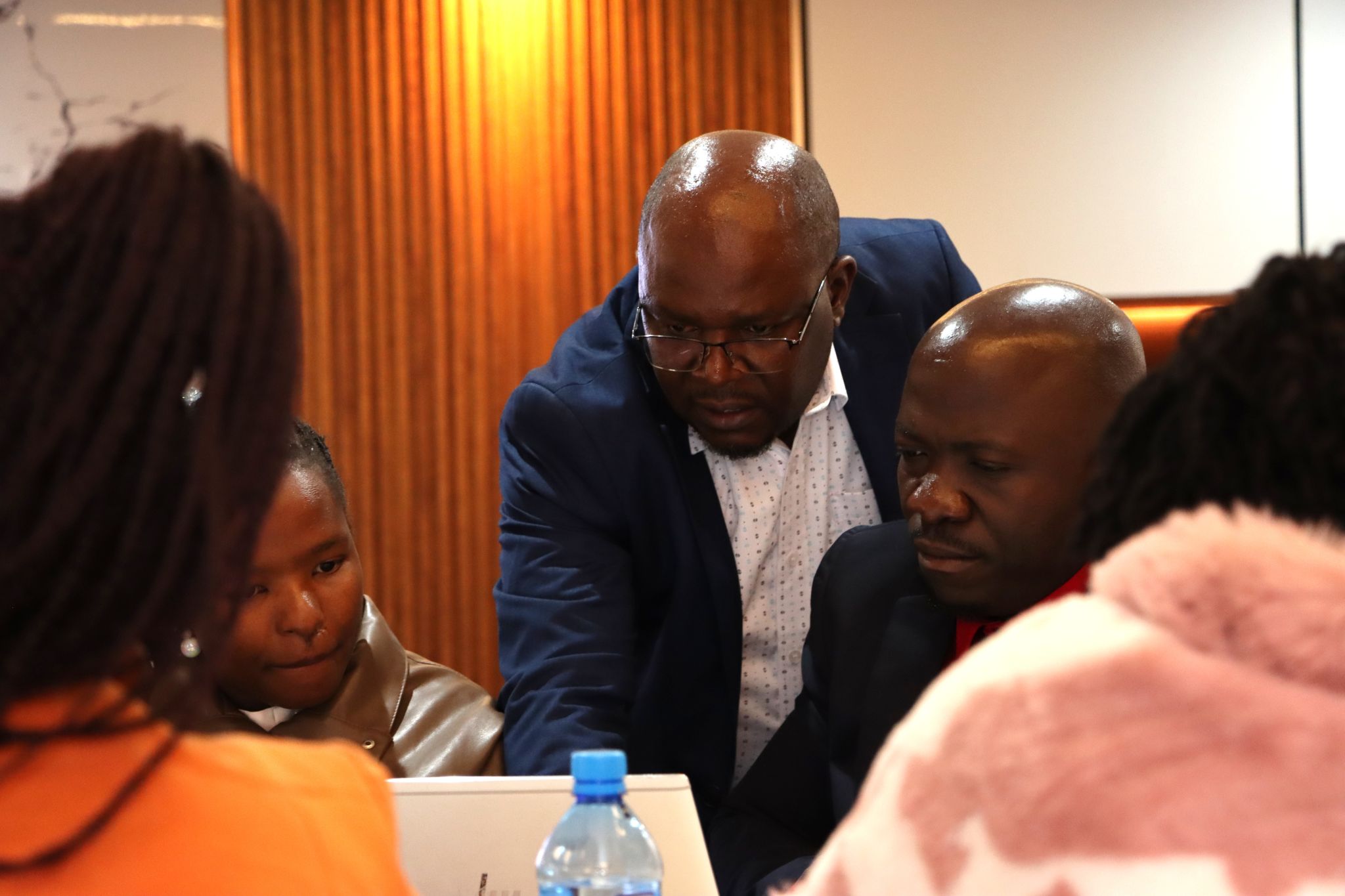
After four days of review, our curriculum team has completed this year's ENGAGE curriculum review workshop, strengthening the learning experience ahead of the August and November training cohorts. Bringing Diverse Expertise Together The workshop brought together subject matter experts in biology, computer studies, statistics, machine learning, and public health, alongside university lecturers and Kenyan high school teachers. Their combined expertise ensured the curriculum reflects both current developments in these fields and the realities of teaching first-time learners. What did we improve? Every lesson, slide, and learning activity was reviewed using feedback from last year's trainers and beneficiaries. The result is a curriculum that: Better integrates artificial intelligence, machine learning, statistics, and public health across the program. Creates smoother transitions between
Read more
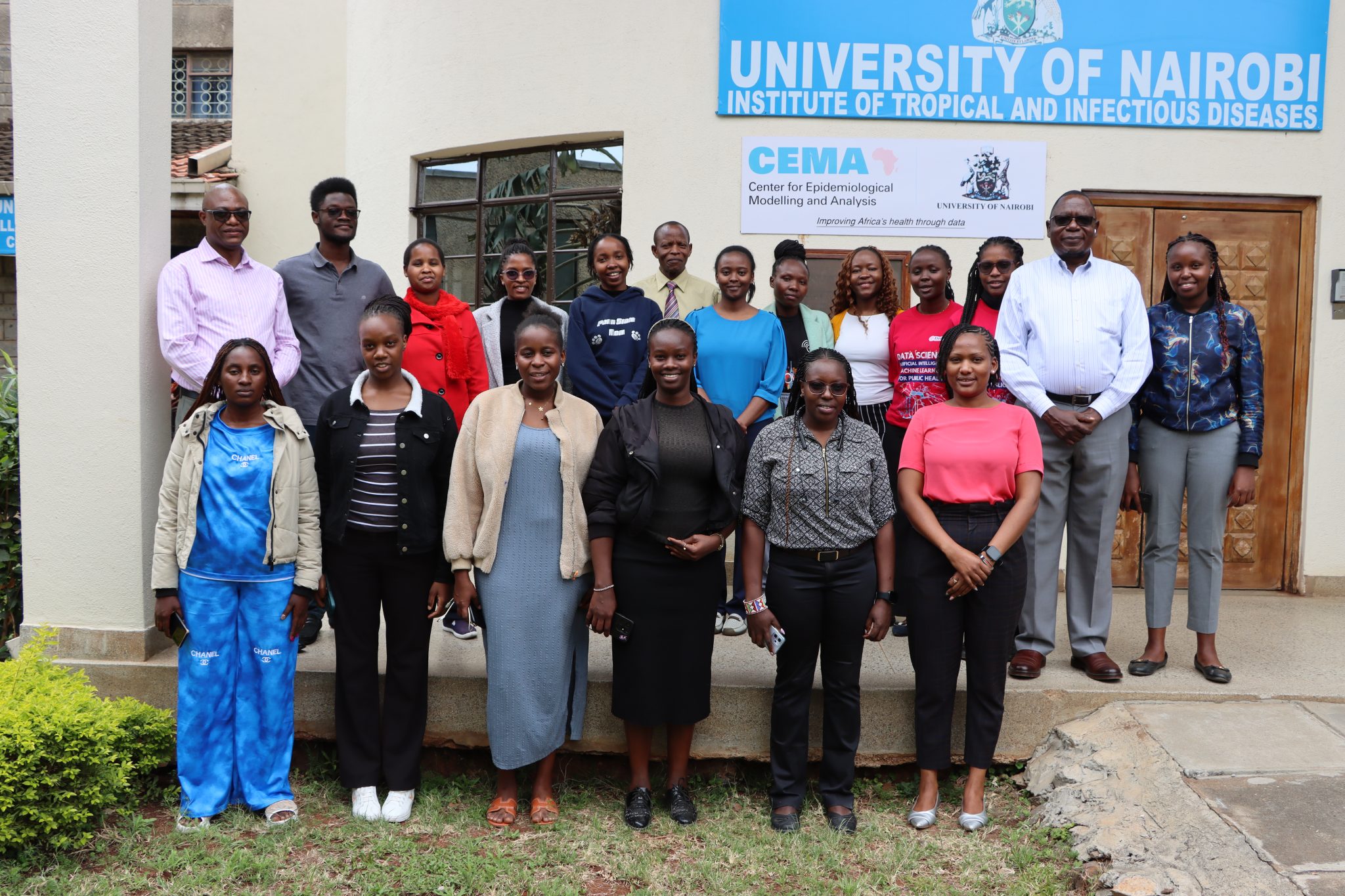
Are you a parent, guardian, teacher, or school principal looking for opportunities that can help shape the future of a young girl? The ENGAGE Program is offering an exciting pathway for Form 3 girls with a strong aptitude in Mathematics to explore careers in Data Science, Artificial Intelligence (AI), and Machine Learning. What is the ENGAGE Program about? The ENGAGE Program is designed to empower young women and girls from underserved communities with skills in Data Science, Artificial Intelligence (AI), and Machine Learning. Our goal is to build a pipeline of female data scientists equipped to use these skills to address real-world challenges, particularly in public health. Today, women remain underrepresented in Data Science and AI. As a result, innovations intended to serve everyone often fail to reflect the needs and perspectives of all members of society. ENGAGE seeks to help change this narrative by creating opportunities for young wome
Read more
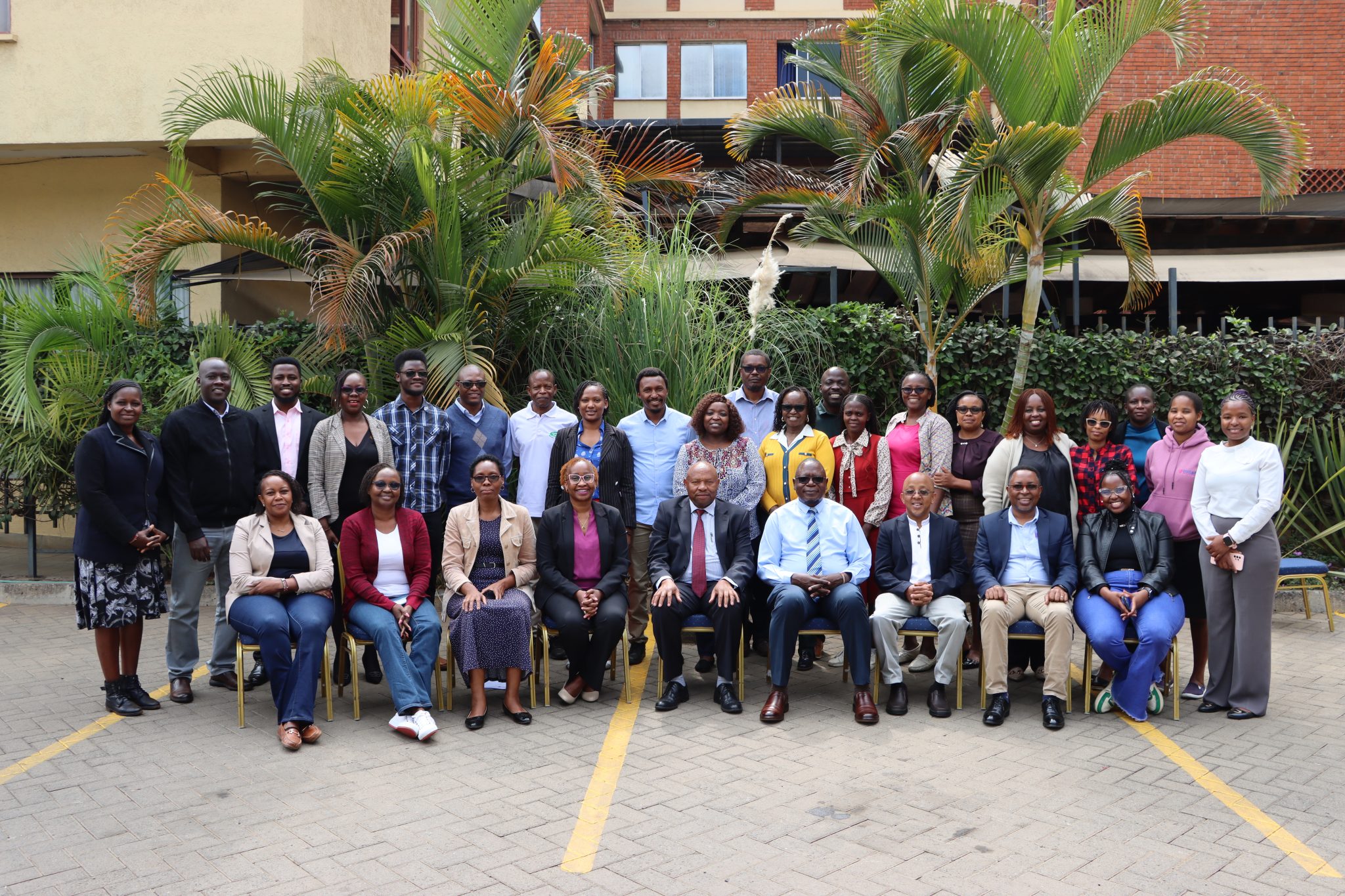
Empowering the Next Generation: The ENGAGE Project In 2024, a partnership between the University of Nairobi and the University of California San Francisco, through the ENGAGE Project, set out with a clear mission: to build a pipeline of young women skilled in Data Science, Artificial Intelligence, and Machine Learning. At its core, this initiative was about providing access to this field. Across the country, many talented young women and girls have the curiosity and academic potential to thrive in modern technology and data-driven fields, but lack exposure, financial resources, mentorship, and encouragement. Too often, they are excluded. Not by ability, but by circumstances beyond their control and persistent stereotypes about who belongs in AI and STEM spaces. Expanding Access, Countrywide Our goal was to deliberately recruit and train young women and girls who cannot ordinarily access, afford, or even be aware of opportunities in Data Science and AI. Through structured training, mentorship, and hands-on technical development, participants build strong foundations in analytical thinking and real-world problem solving. But we do not stop at classroom theoretical learning. We offer paid internships and experiential learning opportunities that allow participants to apply their skills in real-world environments. These experiences bring theory to life — strengthening their confidence, professional exposure, and ability to create tangible change in their communities using AI. For our high school trainees, our curriculum breaks down AI and Data Science in exciting ways that sparks a curiosity in them – a curiosity that can propel them towards data science and AI-related careers. The Impact So Far By 2025, 329 young women from across the country had completed the program. Beyond certification, many have: Applied data-driven approaches to local challenges Strengthened their academic and professional trajectories in STEM Built confidence to pursue opportunities they previously believed were out of reach Looking Ahead: 2026 In 2026, we aim to empower 240 more young women: 120 Form 3 high school girls 120 young women pursuing STEM courses in diploma and degree programmes As we prepare for this next phase, our team recently convened to plan another year of opening doors, instilling confidence in our young women and girls through capacity building, ensuring that innovation reflects the needs of our communities. Our commitment remains clear: when young women gain access to AI skills, they do not just participate in innovation — they shape it. The results so far have been powerful, and we are only getting started. We invite you to learn more about our work and the impact these young women are already making by exploring our website and getting in touch with us through engage@uonbi.ac.ke
Read more
Our ENGAGE alumna, Cynthia Kilango, recently presented an abstract at the just concluded University of Nairobi STD/HIV/SRH Collaborative Research Group Annual Meeting. Her abstract, titled, “Leveraging Machine Learning for Community-Based One Health Risk Prediction in Rapidly Urbanizing Kenya” was presented during the ‘One Health / Zoonoses / Emerging and Re-emerging Infections session’ In her abstract, Cynthia observes, "The high rates of urbanization in Kenya have heightened the level of interaction between humans and animals, and thus, there are higher chances of zoonotic diseases and emerging infections." Cynthia affirms ENGAGE’s mission of equalizing the field of data science by giving young women an opportunity to contribute to discourses that affect their communities. Through our training, Cynthia got into rooms that she could not foresee. Here, she shares about her experience in her own words. My conference experience Hello, my name is Cynthia and I am a beneficiary of the ENGAGE Project. I did my 20-day training in data science and artificial intelligence at Kabarak University, after which I interned for 6 weeks at Bondeni Sub-County Hospital in Nakuru. It was after my ENGAGE training that I submitted two abstracts for consideration at two separate conferences. The first one happened at the Serena Hotel in Nairobi, on the 28th of January 2026. So, the conference was truly an eye-opening and motivating experience. I had the opportunity to present my study on “Leveraging Machine Learning for Community-Based One Health Risk Prediction in Rapidly Urbanizing Kenya.” I thought I would be tense, since the titles of the people there were Professors and Doctors. But I encouraged myself to do it. I was determined to make sure that they understood my work. I presented well for 10 minutes and had room for questions. I learned that One Health and zoonotic diseases are still emerging and newly recognized fields, and there is so much room for innovation and research. I interacted with PhD students and researchers from different organizations, which broadened my perspective on how diverse and impactful research can be. I was fortunate to gain a “mentor.” She approached me after my presentation and showed great interest in machine learning, and was very impressed with my work. This experience also helped me improve my presentation skills by appreciating the creativity behind effective PowerPoint design, and understanding how research in different areas directly contributes to human, animal, and environmental health. Being among highly experienced researchers while I am still at the bachelor’s level encouraged me even more to pursue a career in research. I learned that growth happens when I step into rooms that challenge me. Research is not just about knowledge; it’s about curiosity, collaboration, and creating solutions. From classroom theory to real-world impact Cynthia’s work sought to provide community health providers and household heads with tools that will help them predict and detect zoonotic diseases in a timely manner. She argues that these individuals are best positioned to do so, because of their proximity and conversance with their animal keeping and sanitation practices. By developing a predictive app that uses one health risk prediction data, Cynthia cracked the code on how best community health providers can classify households either as high risk, moderate risk or low risk. The app further provides early warning signs of a possible outbreak and offers recommendations on how best to curb infection rates before they become fully blown. She hopes that this can become a routine health practice, that will ultimately protect families, communities and nations from the next pandemic. Cynthia Kilango is an ENGAGE Cohort II Beneficiary, who trained at Kabarak University in 2025.
Read more
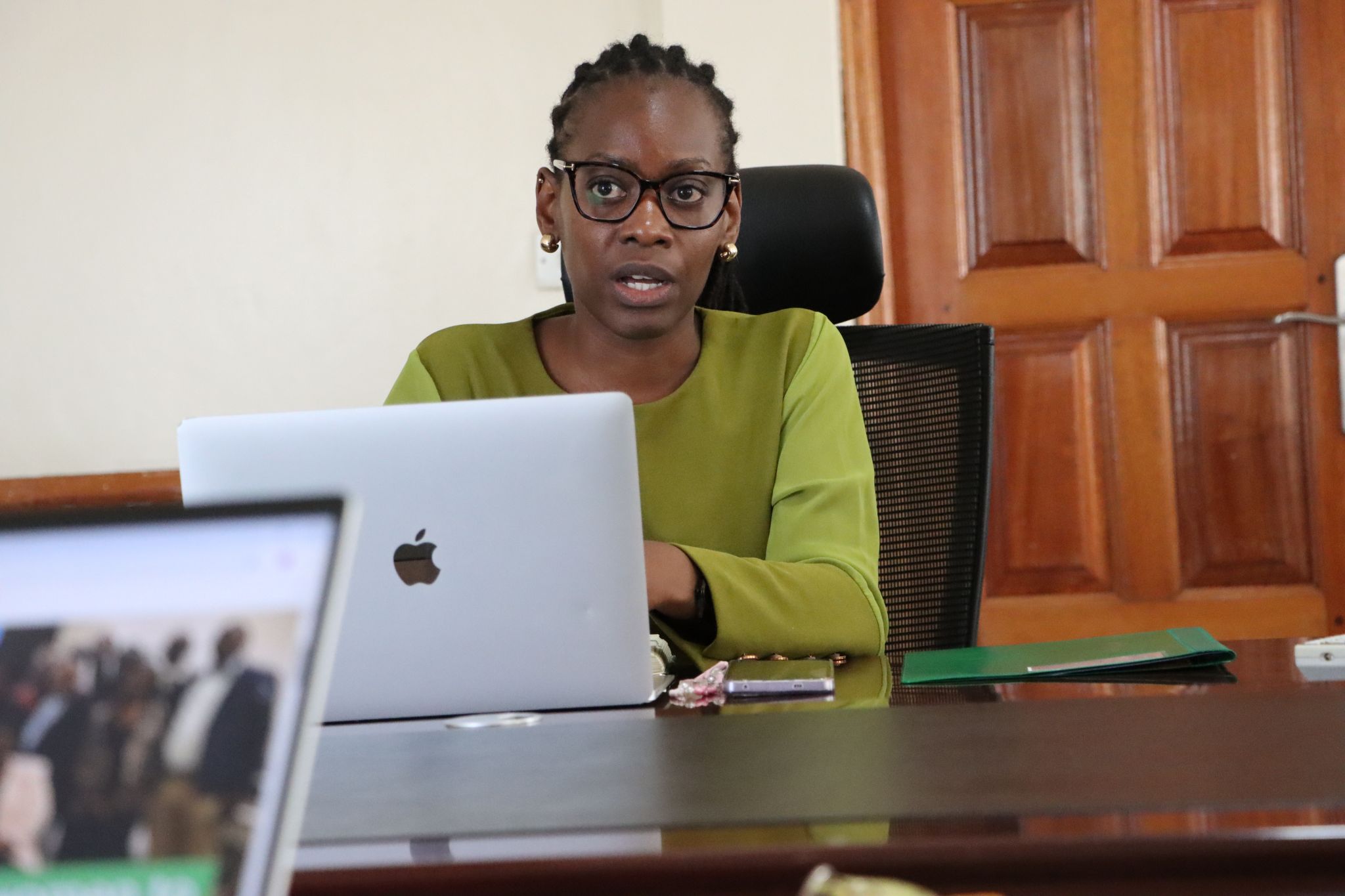
When Melodious Mokeira took the stage during the ENGAGE Project’s hybrid graduation ceremony on 5th December 2025, her vote of thanks was both moving and powerful. It was clear that the experience had reshaped how she sees her role in public health and her place in the future. A recent graduate pursuing a diploma in Community Health at Kenya Medical Training College (KMTC), Melodious joined ENGAGE eager to learn and grow her expertise. She left with exactly that, and more. During the ceremony, she reflected on a question earlier posed by Professor Oyugi, the ENGAGE Project Principal Investigator when the project was being conceptualized: If another pandemic like COVID-19 were to emerge, would we have enough data scientists to develop solutions that protect and save lives? Speaking on behalf of her cohort, Melodious gave a confident answer: “Yes. With the training and support we have received, we are prepared. We are capable. ENGAGE has given us the tools, the mindset, and the confidence to step forward and make an impact.” Where it all began for Melodious During the 20-day ENGAGE training, Melodious and her peers gained skills in data science, artificial intelligence, and machine learning and were given the opportunity to go back to their communities and help solve public health related problems through our partnerships with community health organizations. “We have gained not only technical skills,” she noted, “but also a deeper understanding of how data, community engagement, and innovation come together to solve real-world problems.” The reason why we send them out to intern at community health organizations is to prove to young women that they too have a role to play in society. For Melodious, this understanding came alive at the Beacon of Hope Hospital in Ongata Rongai, Kajiado County, where she worked on a project addressing a critical healthcare need. Beacon of Hope took Melodious in to utilize her newly acquired skills in data science and artificial intelligence to improve healthcare service delivery in the area. And while Melodious was reviewing laboratory records, she noticed that blood sugar tests were the most frequently conducted tests at the facility. With the support of the hospital, it became clear that improving how these tests were managed could make a meaningful difference. Using patient information such as age, village, sex, and medical diagnosis, Melodious developed a system to help health workers predict whether a patient’s blood sugar level is low, normal, or high. How the Project Helps the Health Facility In many busy community health facilities, blood sugar testing takes up significant time, staff effort, and laboratory supplies. When patient numbers are high, delays are common. Melodious’ model could support health workers in three practical ways: First, it helps prioritise patients who need urgent testing. By estimating risk using existing patient information, health workers can identify patients who are more likely to have dangerous blood sugar levels and attend to them first, while others may not need immediate testing. Second, it reduces unnecessary repeat tests. The model helps clinicians decide when a test is truly necessary, reducing trial-and-error testing and saving laboratory resources. Third, it supports quicker clinical judgment. The model does not replace medical professionals. Instead, it acts as an early-warning guide, giving health workers a strong indication that helps them decide faster whether to test, treat, monitor, or refer a patient. Together, these benefits help facilities save time, reduce waste, and make better decisions, strengthening everyday healthcare delivery. Ready to Serve When It Matters Most Melodious’ journey reflects what ENGAGE is designed to achieve: equipping young women with confidence, purpose, and readiness to serve their communities through the skills they acquire. Through ENGAGE, Melodious is now ready to step into active roles in her community, using data science as a pathway to meaningful impact, today, and when the next public health crisis comes. We look forward to more innovative problem solving and we wouldn’t be surprised if Melodious develops the next big solution that enables her community to thrive.
Read more
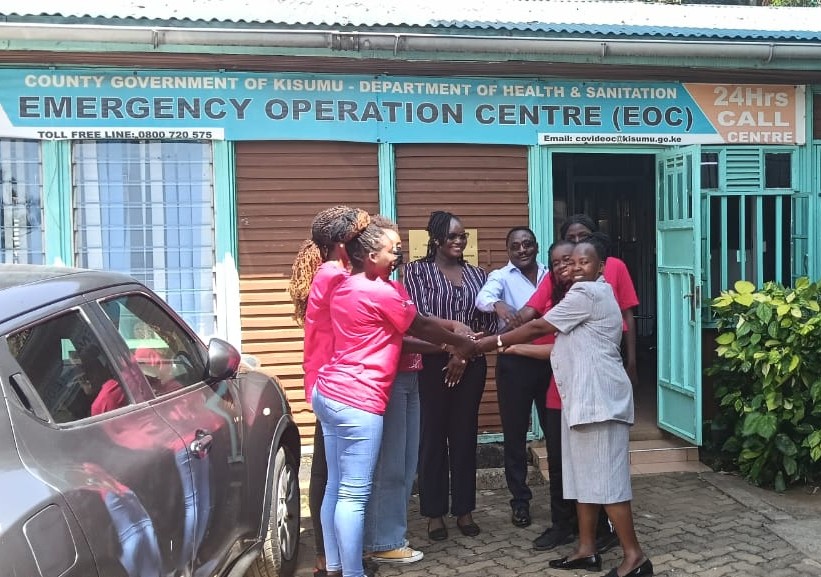
When Dorothy Akumu Onyango joined the ENGAGE programme, she did not imagine how much her life would change. A student from Nyamira High School, Dorothy stood proudly during the ENGAGE graduation ceremony and reflected on words spoken by the Vice Chancellor of Jaramogi Oginga Odinga University of Science and Technology, Professor Emily Akuno: Where there is a challenge, there is an opportunity, and where there is an opportunity, there is responsibility. Those words rung in her mind throughout her 10-day stay with us and she chose not to take this opportunity for granted. At the beginning of the programme, Dorothy faced a big challenge. “We could not even start a computer. Today, I am proud to say that all of us here can code.” Step by step, with guidance from trainers and mentors, we held her hand. By the end of the training, Dorothy and her peers were writing code, working with data, and using tools like Python and important libraries such as Pandas. For Dorothy, ENGAGE presented an opportunity to be better, braver! “It is now up to us girls to rise and show the nation that ENGAGE is not just a programme, but true empowerment for us girls in data science. Most people, even our parents, think that girls’ careers can only be things like nursing. No. It is time to show them that we can also become data scientists in the future.” Through ENGAGE, Dorothy began to see herself differently. Learning trips and interactions with ENGAGE alumni inspired her even more. “One of the most interesting experiences I had was visiting sites like the Kisumu Emergency and Operation Health Center. We met an ENGAGE alumna who was employed there. She had studied a Bachelor of Science in Pure Mathematics at university, but it was her ENGAGE training and internship that helped her get the job. Personally, I hope that after I finish high school, I can return to ENGAGE and one day become a data scientist myself.” Seeing former trainees already employed showed her that background does not define destiny. Her experience during the internship opened her eyes further. Dorothy discovered how powerful data can be in solving real community problems. One issue stood out to her: malaria. She explained that by using data, it is possible to see when malaria cases are likely to rise, helping counties prepare in advance. With confidence, she said she now feels able to advise her county using data, something she never imagined before ENGAGE. Her dream has changed. “I don’t want to be a doctor,” Dorothy declared boldly. “I want to be a data scientist.” She encouraged her fellow trainees not to stop at graduation. ENGAGE, she said, is not a place to relax over the holidays, but a place that builds problem solvers. She urged everyone to go back to their communities as ambassadors of the ENGAGE programme, ready to share knowledge and inspire other girls. Dorothy also paused to ask a question that aligns with our ambition of building a pipeline of female data scientists: “150 years from now, where will you be? Shall there be any trace that you ever existed? It is now up to us girls to rise and show the nation what we can do.” Through ENGAGE, Dorothy has moved from fear to confidence, from uncertainty to purpose. She now sees a future where she uses data to solve problems, support her community, and shape a better tomorrow and in her words, not ours, “ENGAGE is the best program in the whole world!”
Read more
Before joining the ENGAGE programme, Idah Anyango Ologi already knew who she wanted to become and where she wanted to go in life. What she did not know was how to get there. As a student at Jaramogi Oginga Odinga University of Science and Technology (JOOUST), Idah had clear goals for her future. But like many young women, she felt blocked by barriers that seemed too big to cross. “Before I knew ENGAGE, I knew what I wanted to do and where I wanted to be at a particular time, but I didn’t know how I would get there,” she shared. She saw data science, artificial intelligence, and machine learning as a male-dominated space, with limited opportunities for women—especially those from vulnerable communities, where access to information itself is a major challenge. That changed when she joined ENGAGE. The 10 weeks of training, Idah says, were truly transforming. Through ENGAGE, she and her peers gained technical skills such as coding, data analysis, and machine learning. But more importantly, they gained vision. “We did not only gain technical skills,” she explained. “We also gained a vision—where we can use these tools to improve health outcomes in our communities.” For Idah, ENGAGE helped bridge a long-standing gap between ambition and access. It showed her that data and technology are not distant or unreachable—they can be used right where people live, to solve real problems and improve lives. The transformation was not only technical. It was personal. Idah spoke openly about how shy she used to be. Speaking in public—or even standing in front of a camera—felt impossible. Today, she stands with confidence. “ENGAGE has really changed us and helped us grow and lead. It has taught us how to speak. Today, I stand in front of the camera and I don’t feel shy anymore. I used to be, but ENGAGE has empowered me as a woman to stand firm.” During the graduation ceremony, she urged her fellow trainees not to keep this knowledge to themselves. She encouraged them to go back to their communities, share what they have learned, and use data to make a difference where it matters most. Idah also expressed deep gratitude to Professor Oyugi, the Principal Investigator of the programme. “Thank you for thinking about us even before knowing any of us,” she said. She ended with a hopeful message for the future, expressing her wish that ENGAGE would not stop, but continue to grow, form more partnerships, and reach even more young women across Kenya. Through ENGAGE, Idah found more than just skills. She found direction, confidence, and a sense of belonging. She now knows not only where she is going, but also how to get there and she is ready to walk that path with purpose.
Read more
When Shamsa Abdalla first heard the word ENGAGE, it did not mean much to her. It was just a name. Just another programme. On 23rd November, she arrived at Meru University of Science and Technology excited and curious, but unsure of what lay ahead. She had travelled a long distance to be there. She couldn’t wait to understand what data science and artificial intelligence meant. Today, she says she can no longer imagine how deeply ENGAGE has changed her life. At the beginning, ENGAGE was not easy. During her first week, Shamsa felt sick. Being far from home was difficult. But in that moment, she found support. “I found a mother here,” she said, speaking about Dr. Grace Gakii, who took care of her and made her feel safe. That kindness stayed with her. As the days went by, Shamsa realised that ENGAGE was not only about learning in a classroom. It was about seeing,experiencing, and belonging. One of the moments that changed her thinking was a field visit to Meru County Referral Hospital. There, she saw how data is used in real health settings to support decisions and improve care. “That visit changed my mind and my career,” she shared. Through ENGAGE, Shamsa built new skills, including data analysis and visualisation, but more importantly, she found her voice. “ENGAGE gave me a platform to discover my voice, build my leadership skills, and understand the power of teamwork.” She worked with girls from different communities, backgrounds, and cultures. “We arrived as strangers,” she said, “but we leave as sisters.” That sense of sisterhood gave her confidence. Today, Shamsa stands proud and fearless. Despite her background, she believes in herself and in her ability to grow. “I cannot express ENGAGE in words,” she said. “I have carried it in my heart.” As she looks ahead, Shamsa is hopeful, motivated, and ready to keep learning. She wants to return for Tier 2 training, and she urged her fellow trainees to go back to their schools, homes, and communities as role models spreading ENGAGE’s praises far and wide. “Technology is not far away,” she said. “It is our space too.” Shamsa ended by thanking the mentors, trainers, coordinators, and her parents — the people who walked with her through this journey. From thinking this was just another program, ENGAGE gave Shamsa more than skills. It gave her confidence, belonging, and belief in her future. A future that she can belong in.
Read moreThe Nicole who reported for the ENGAGE training on 23rd November 2025 was not the same Nicole who stood confidently at the graduation ceremony on 5th December 2025. In just ten days, something had shifted. She spoke with clarity, assurance, and purpose—likely because she had discovered a career path worth exploring. Nicole, a Form 3 student, had always been curious, but the ENGAGE training in Data Science, Artificial Intelligence, and Machine Learning at Pwani University opened her eyes to a world she had never imagined herself in. Today, she is eager to pursue data science, AI, and software engineering at college or university level. The journey, however, was far from easy. Learning to code—especially in Python—tested her patience and resilience. Like many first-time learners, Nicole and her peers encountered constant errors, confusion, and moments of frustration. But through dedication, practice, and the unwavering support of their trainers, those challenges became lessons. During her graduation speech, Nicole singled out the trainers for their patience and guidance, even when the class felt overwhelmed. “We can now correct errors on our own,” she remarked proudly. Beyond the classroom, real-world exposure became a turning point. A visit to Kairat Hospital Medical Centre showed Nicole and 19 other girls how data and technology are actively improving healthcare and transforming service delivery. For the first time, what they were learning felt tangible and impactful. Their second visit, to Elimu Research Centre, left an even deeper impression. One statement stood out: AI is not replacing human beings—but it will replace those who do not understand it. Nicole carried that message with her. “I am thankful for the opportunity to not be left behind,” she reflected. This is the role the ENGAGE Project plays in securing the future of young women. By exposing girls early to fields traditionally dominated by men, ENGAGE challenges exclusion and builds confidence, competence, and opportunity. Together with dedicated trainers, mentors, and collaborative partners, ENGAGE is spreading a clear message across the coastal region and beyond: women belong in data science and AI, and they deserve access to these opportunities. With the generous support of Takeda, ENGAGE continues to create pathways for young women from Mombasa County and beyond to learn, participate in real-world applications, and believe—perhaps for the first time—that this future is within reach.
Read moreToday we gathered to celebrate the graduation of ENGAGE Tier 1 and Tier 2 cohorts of 2025. The graduation ceremony took place at Meru University and was graced by our Principal Investigator, distinguished guests from the Ministry of Education, CMASTEA, partner universities, parents and students. This graduation was not only a celebration of hard work but also a reflection on the impact ENGAGE has had in the lives of highschool, diploma and undergraduate girls across the country. “This moment is not accidental. It's a lot of effort that you girls have put in. It is also a result of intentional collaboration and vision that believes that you are the best to carry the future of AI,” remarked Dr Timothy Kamanu, the Co - Principal Investigator, ENGAGE. Prof Julius Oyugi, our Principal Investigator congratulated the Tier 1 and Tier 2 graduates urging them to nurture the seed of innovation that has been planted in them. He noted the uniqueness of the ENGAGE curriculum and the impact of the project in training women in AI and data science. “Last year we trained 90 girls from different backgrounds and I am proud to say that 55% have gone ahead to get employment with 95% being in industries in data science. This goes to show how impactful ENGAGE is.” Representing the Principal Secretary, Department of Basic Education, Dr Samuel Ngaruiya emphasized the role of CBE in nurturing innovation, noting that ENGAGE through its curriculum fits perfectly into the ministry’s objectives and can in future, be rolled out across the country. “ENGAGE positions us at the forefront of universities in Africa building pathways for women in data science, machine learning and AI. The university of Nairobi is proud to lead the implementation of this project and will see to it that ENGAGE fulfills its vision of empowering girls in these fields,” Prof Leonidah Kerubo. The Vice Chancellor Meru University, Prof Romanus Odhiambo, commended the Tier 1 graduates for spending their holidays learning new tools and technologies. He also encouraged the Tier 2 graduates to pursue higher learning, research and entrepreneurship opportunities. “This graduation is about shifting mindsets and expanding possibilities about who can be data scientists and tech leaders. To the graduates, you have shown that when girls are given opportunities you rise to the challenge. Congratulations.” he concluded. As the 2025 ENGAGE cohort steps into the new phase of their careers, they walk out empowered to take on new opportunities and to shape the world using skills they have learnt in data science, machine learning and artificial intelligence.
Read more
Tier 1 Cohort 1 Training Officially Launches at Pwani University After months of planning and preparation, we finally welcomed Tier 1 cohort 1 trainees on 24th November 2025. The official launch of the training took place at Pwani University with partner universities joining virtually to witness this momentous occasion. This cohort represents the first ever Tier 1 cohort under ENGAGE. The training is meant to spark interest amongst the high school girls in data science and artificial intelligence and to create awareness of existing career paths in these fields. Remarks from Stakeholders The opening ceremony began on a high note with remarks from the ENGAGE secretariat, Vice Chancellors and other stakeholders present. The Vice Chancellor, JOOUST, Prof. Emily Akuno, welcomed the girls, reminding them of the rare opportunity they have to gain interest in data science through the ENGAGE training. She encouraged them not to hide their potential but to make use of this space to ask questions and learn. Prof. Harrison Maithya, the DVC Academics, Research and Innovation, South Eastern Kenya University, emphasized that digital transformation is the key to unlocking national development and by training girls in data science and artificial intelligence, ENGAGE is strengthening the capacity of public health in the country. He urged the girls to take advantage of the serene learning environment, reiterating that they are the future of female leadership. Prof. Odhiambo, the Vice Chancellor Meru University of Science and Technology, encouraged the participants to believe in themselves, not as exceptions in STEM, but as rightful stakeholders. “You are not here by chance,” he reminded them. “You are here because you have what it takes.” His words carried a weight of affirmation, the kind that leaves a lasting imprint on young minds still learning to trust their abilities. In his address, the Principal Investigator, ENGAGE, Prof. Julius Oyugi, welcomed the Tier 1 cohort to the training, commending their hard work that got them through to the final selections. He also encouraged them to take up the opportunity that will be accorded to them by ENGAGE to grow their digital skills and data science knowledge. “We will walk with you, we will make you understand why you need these skills. We want you to first understand the basics of computing so that by the time you leave here, you will know how to use a computer and you will understand a little bit about AI and data science for public health,” he said. The Program and Future Impact The program welcomes a total of 120 girls from diverse backgrounds and high schools spread across the country. The girls will gain foundational training in data science, artificial intelligence and machine learning for public health. This is the first ever Tier 1 cohort hence a significant milestone for the ENGAGE project and a profound moment for the high schoolers. “When these ten days are over, we hope that you go back to school inspired. We want you to tell your friends what you’ve learnt and to encourage other girls to enter the field of data science. You represent so many girls in Kenya and we hope you are inspired to go back and serve your communities even more,” said Dr Koki, the Co - Principal Investigator, as she addressed the girls. The training comes after a rigorous selection process which saw the Form 3 girls go through various stages including a math contest and an interview conducted at the regional levels. The girls now settle for ten days of learning under skilled trainers at the partner universities namely: Pwani University, South Eastern Kenya University, Jaramogi Oginga Odinga University of Science and Technology, Dedan Kimathi University, Meru University of Science and Technology and Kabarak University.
Read moreIn the room: Last week, from Wednesday 5th November, to Friday 7th November 2025, we held our training of trainers workshop at the Kenya School of Government. The training brought together high school teachers of Biology, Computer Studies and Mathematics from Eastern, Central, Nyanza, Rift Valley and Coastal regions of Kenya. Joining them were university faculty staff with years of experience in data science, machine learning and public health – a rich blend of expertise What it’s about: The vision of the ENGAGE Project, led by our Principal Investigator, Professor Julius Oyugi, is to shift the gender imbalance in data science, artificial intelligence, and machine learning. Our strategy is simple: get the attention of young girls early. Many miss out on these fields simply because they are not exposed to them early enough — especially those from underprivileged backgrounds and rural areas. Ms. Josephine Kimani: A Shared Goal One of our participants for this training is Ms. Josephine Kimani. She is one of the selected trainers and only one of two female teachers who teach computer studies in the region she is from. As a computer science teacher in Ng’iya girls, she is determined to make her mark by inspiring more and more women to join this field. This is a shared goal that the ENGAGE Project is working tirelessly towards. What this means: ENGAGE imagines a world where solutions are not made for us, but by us. We want more and more women to join this field and design solutions that have plagued their communities. Our work is to nurture problem solvers and artificial intelligence has arrived just in time to enable this exciting change. This is exactly why we need to ensure that these tools and skills transverse borders and reach the most marginalized communities Whether you live in Nairobi or in Turkana. With the training and mentorship that we offer, we want to create a pipeline of female data scientists who will bring in fresh and inclusive perspectives to the field. Our recruitment criteria: In partnership with our 6 regional universities and stakeholders in the high school domain, we worked together to help girls apply for our program. We were looking for form 3 high school girls with an aptitude in Mathematics and who were interested in exploring a new field as this is the stage they start thinking about which courses they would like to pursue at university/college level. Mathematical aptitude, problem solving, and critical thinking go together. They also happen to be key dimensions of data science. With data, and with the right skills, you can spot patterns and trends and inform decision makers on the next steps of affirmative action. Our training will excite such minds. Equipping the right skills to our trainers: That’s why we’re equipping our teachers with skills to spark this interest early — so that more girls will choose data science and AI careers next year. Under the guidance of our curriculum expert Dr. Peter Mulwa, the trainers learned how to design lesson plans and teaching techniques that simplify complex ideas and keep students engaged. Grounded on the competency based education curriculum, our trainers are now fully equipped to break down this field into small, interesting and digestible chunks of information. We can’t wait to hear about our trainees’ learning experiences.
Read more
“This gathering is a testament to our shared belief that talent knows no gender and opportunity should know no boundaries.” – Prof. Daniel Ojuka, Dean, Faculty of Health Sciences, University of Nairobi. These words from Prof. Ojuka marked the opening of our Tier 1 Training of Trainers Workshop, the first step to introducing Data Science, Artificial Intelligence, and Machine Learning to Form 3 high school girls across Kenya – the first program of this kind in Kenya. We have brought together teachers and lecturers from Nairobi, Central, Eastern, Western, Coastal, and Rift Valley regions to empower the next generation of women. The curriculum is grounded in Kenya’s competency-based curriculum, which fosters problem-solving, creativity, and digital literacy. By the end of this 3-day workshop, our trainers will be equipped to demystify tech for young girls, especially those from rural backgrounds, and ignite their passion to participate in the AI revolution.
Read more
Speaking during our Training of Trainers Workshop, which is equipping professionals to introduce data science, artificial intelligence, and machine learning to high school girls, Prof. julius oyugi, our Principal Investigator, shared keen insights on the task that is ahead: While young girls are interested in this field, they may not have had the opportunity to learn about it. Access to computers remains a significant challenge, and possibly out of reach for many young girls in rural Kenya and informal urban settlements. For some, it is their dream. For us, it is our goal. To bring computers and modern tools closer to them. To inspire young girls to pursue careers and become leaders in this field. To become leaders who design inclusive solutions that serve everyone. Prof. Oyugi urged the trainers to break these concepts down and mentor the girls to step into this field with the confidence that they belong and that they can thrive. We look forward to the beginning of this exciting journey.
Read more
Igniting interest in Form 3 High School Girls from Western and Nyanza Regions - Math Contest Edition! At the JARAMOGI OGINGA ODINGA UNIVERSITY OF SCIENCE AND TECHNOLOGY (JOOUST), we welcomed eager Form Three High School girls who had gathered for our inaugural Tier 1 Mathematics Contest. With training set to begin at the end of November, 30 girls contested to be among those who will receive our free data science, artificial intelligence and machine learning training program. It was motivating to see young girls, especially those from deep rural Kenya, showing a lot of excitement to explore this field. We feel privileged to have the opportunity to train the successful candidates and inspire them to pursue careers in data science, artificial intelligence and machine learning.
Read more
The rift valley region of Kenya was not left behind as 35 brilliant Form 3 High School Girls had the chance to take part in our Mathematics Contest held at Kabarak University. The contest aimed to select 20 of the best candidates who possess critical thinking, problem solving skills and mathematical aptitude – all key traits that will enable them to thrive in Data Science and Artificial Intelligence careers: a field we are keen on exposing young girls from underprivileged regions to. ENGAGE in collaboration with Kabarak University is working to bring Data Science and Artificial Intelligence to communities who would have otherwise been left out of the AI revolution. We are beyond thrilled that young girls are ready to step up and be counted as the next generation of tech leaders in Kenya and beyond.
Read more
It was inspiring to see parents supporting their daughters by traveling from far and wide to ensure their girls have the chance to be trained in Data Science, Artificial Intelligence, and Machine Learning before they select the courses to pursue in university/college next year. It is our collective goal to spread the word and encourage more and more girls to explore this field, a field that is projected to create more jobs, more entrepreneurial pathways, and the opportunity for any girl to develop solutions to problems that have plagued their communities. Selection is underway!
Read more
ENGAGE Project is all about giving every girl a chance to thrive in spaces that were traditionally not meant for them. In South Eastern Kenya University (SEKU), we saw form 3 high school girls from Garissa, Mwingi, Kwavonza, Kitui and other regions encompassing the Eastern part of Kenya, show up to participate in our first ever Mathematics Contest for High School Girls. The girls sat for a competitive Mathematics contest that tested their mathematical aptitude and their ability to solve problems. We also had a chat with them to understand their background, passions and interest. One thing that stood out for us is their keen interest to try out new, exciting and emerging fields like Data Science and Artificial Intelligence. It will be our honor to train and mentor young girls from these regions, to pursue successful careers in this field, and fulfil the exciting expectations that their parents and teachers have for them. Training begins this November.
Read more
Twenty days ago, a room full of young women sat immersed in data, code and models. They were beginning to see the world through the lens of data science, much like Marquline, a year ago. Last week, these same learners walked into the Kisumu County Referral Hospital as emerging data scientists ready to apply their skills and improve health outcomes in their community. Among those waiting to receive them? Marquline. Once an intern at the facility, she now stands as proof of what’s possible when young women are empowered. She has designed predictive apps that have helped forecast disease trends, anticipate referral outcomes, and assess emergency severity cases. With the help of the team at the Kisumu County Referral Hospital, she is turning data into a decision-making tool that can safeguard members of her community. This is the ENGAGE journey in action. From classroom to opportunities. From learning to leading. From potential to purpose. We are incredibly proud of Marquline and the journey she is on. Our newest trainees now have a blueprint – hard work and the importance of value addition. Many thanks to Kisumu County Referral Hospital for continuing to believe in the innate power of women.
Read more
The Deputy Vice Chancellor in charge of Human Resource and Administration at the University of Nairobi, Prof. John D. Mande, officially closed our Tier 1 content validation workshop. Our team has been working hard over the last 3 days to ensure that the content we have in store for our Form 3 high school girls will help inspire more girls to join the field of data science and Artificial Intelligence. Prof. Mande lauded the collaboration we have built, bringing together teams from the University of Nairobi, University of California San Francisco, Kabarak University, JARAMOGI OGINGA ODINGA UNIVERSITY OF SCIENCE AND TECHNOLOGY (JOOUST), DEDAN KIMATHI UNIVERSITY OF TECHNOLOGY (DeKUT), Meru University of Science and Technology (MUST), Pwani University, South Eastern Kenya University, CEMASTEA, Power Learn Project, and high school teachers, to increase access to digital modern-day tools for young girls from underserved communities. Dr. Timothy Kamanu and Dr Sara Koki Muli-Kinagwi, our Co-Principal Investigators, deemed our content well-prepared. Our trainees can expect a rich introduction to coding, data collection, analysis, and interpretation, public health data, and the ethical use of AI, among other exciting lessons. We wish to congratulate and thank our team for their passion, dedication, and for their role in championing equal and accessible opportunities for the girl child. Applications are now open for this exciting 10-day training program! Enroll a girl today; https://forms.gle/pjpqRdWUgatxxwjS8
Read more
Not long ago, many of our trainees had little or no access to technology. Today, they’re stepping into internships equipped with AI, Data Science, and Machine Learning skills. When we hosted them at our offices, their stories reminded us that their ambition has always been there. What they needed was exposure to the digital skills shaping today’s world. They are now closing the development gap that too often limits young women and their communities. ENGAGE Principal Investigator, Prof. Julius Oyugi, encouraged them to keep going. Not just to get jobs, but to keep learning and pursuing data science and artificial intelligence with passion, and build solutions that can change lives.
Read more
Today marked the beginning of our Tier 1 content validation workshop, tailored to wow and spark the interest of young girls in high school to pursue careers in data science and artificial intelligence. The three-day workshop was graciously opened by the University of Nairobi’s Deputy Vice Chancellor, Finance and Planning, Prof. Jackson Maalu. In his speech, Prof. Maalu spoke glowingly about the ENGAGE Project and commended our efforts to expose young girls from underserved communities to market-ready skills for today’s world. The workshop brings together a rich blend of expertise, featuring professionals from data science, artificial intelligence, machine learning, mathematics, and biology. In his rallying call, ENGAGE Principal Investigator Prof. Julius Oyugi urged that we deliver content that is palatable for young girls and also demonstrates the real-world viability of data science and AI as tools for solving today’s challenges and building future careers. Our applications for this incredible training opportunity are now open; https://forms.gle/pjpqRdWUgatxxwjS8
Read more
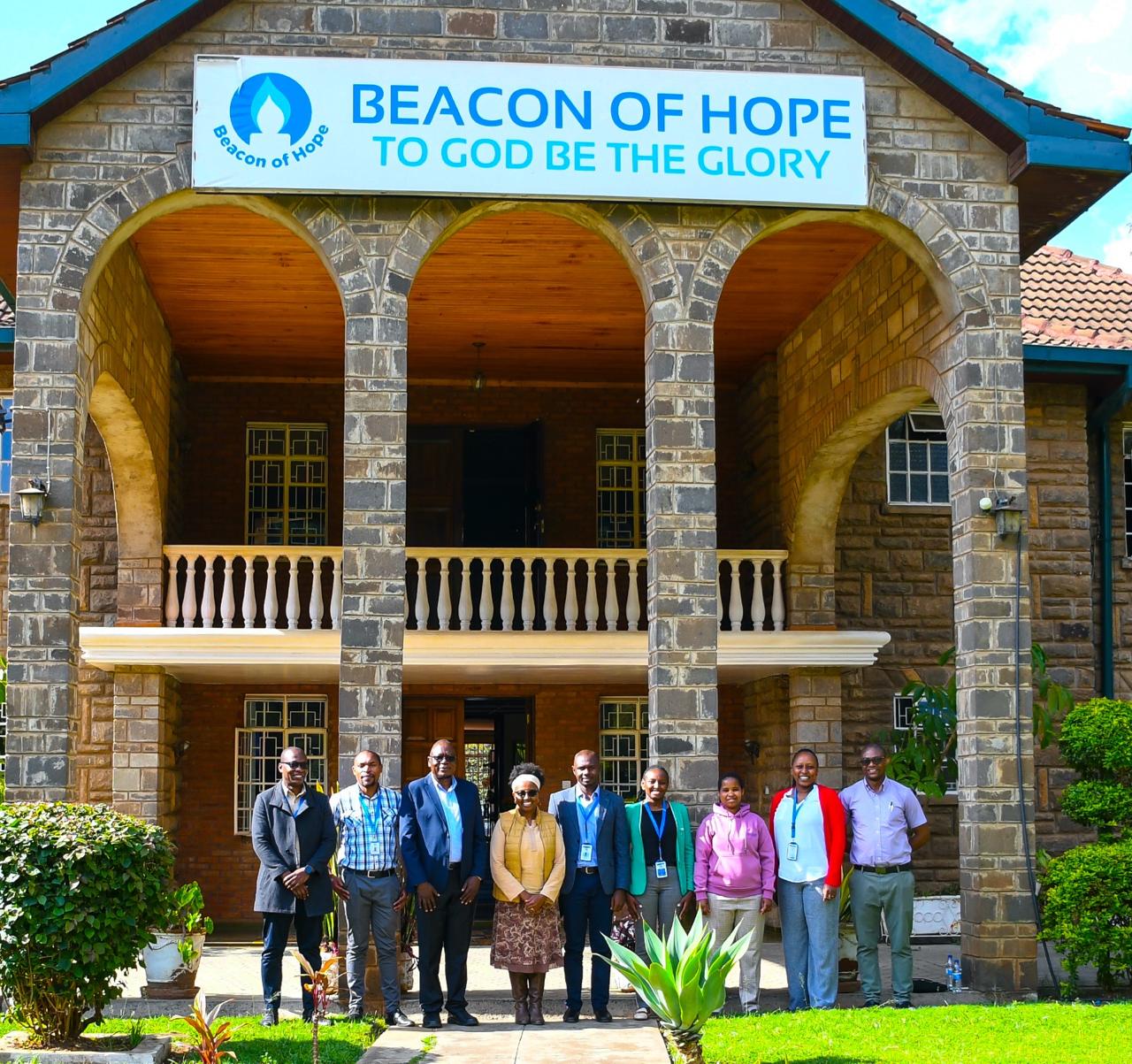
It was an honour to meet with the team at Beacon of Hope Africa to explore areas of collaboration. As we complement our training in data science, artificial intelligence, and machine learning with real-world applications, Beacon of Hope Hospital provides our trainees with the opportunity to apply their skills while supporting communities. We delight in seeing young women gain the knowledge and skills to take back home and improve lives where it matters most. Partnering with an institution dedicated to affordable, quality healthcare makes this vision even stronger, and we are excited to see how this collaboration will empower them to create lasting change.
Read more
A Personal Turning Point Working on the ENGAGE project with the University of Nairobi has made me reflect on how much early exposure to technology can shape someone’s path. That first moment of writing code and realising you can build something, it can be a turning point. It certainly was for me. The Power of ENGAGE What makes ENGAGE powerful is bigger than the technical skills being taught; it is about those getting the chance to learn them. AI is shaping our world fast, including public health, but most of the models and tools we use are designed far from Kenya, by teams that don’t reflect the diversity of people they impact. Why Diverse Voices are Necessary Bringing more voices into that process, especially from young people here, and especially from women, isn’t just a nice idea. It’s necessary. We need local perspectives to solve local problems. And the more diverse the team, the better the questions, the better the tools, the better the outcomes. From Users to Builders: The Real Change What excites me most is the shift we are seeing: from passive users of global tools to active builders of homegrown solutions. That’s where real change starts. The University of California San Francisco is proud to partner with the University of Nairobi and its partner institutions on this project. Fitti Weissglas Co-Principal Investigator ENGAGE Project
Read more
Building Inclusive Health Systems Through Gender Equity The ENGAGE Project, a collaboration between the University of Nairobi (UoN) and the University of California San Francisco (UCSF), is addressing gender disparities in Data Science, Machine Learning, and Artificial Intelligence by empowering over 800 girls and young women from underserved and rural regions of Kenya. We are not merely building technical expertise. We are also addressing social justice by reducing gender biases. With over two decades in global health, I’ve seen how gender gaps in data and technology have limited our ability to build inclusive, effective health systems. By advancing gender equity in these fields, we are on a mission to build effective and inclusive health systems that enhance the quality of health data, analysis, and decision-making. “Strong leadership plays a key role in supporting initiatives like the ENGAGE project, which empowers young women with timely and relevant skills and opportunities needed to contribute meaningfully to public health innovation. The onus is on us as leaders to cultivate a habit of fostering inclusive policies, mentoring female talent, and promoting diverse workplaces. Strong leaders can help close gender gaps and ensure that innovative health solutions are tailored to community needs. Gender inclusion is pivotal across all fields, and in our case, it is fundamental to strengthening public health systems. Our vision is that this project will empower women to design solutions that lead to better outcomes and more resilient communities. Dr. Koki Kinagwi ENGAGE Co-Principal Investigator Why ENGAGE is Necessary: A Public Health Perspective From a public health perspective, initiatives like ours are necessary because we are building a pipeline of women and girls who will bring on board fresh perspectives that are creating an inclusive workforce and culturally relevant solutions to health problems. I see a future where our ENGAGE trainees contribute meaningfully to disease surveillance, health promotion, and policy development. These fields offer emerging niche opportunities where young women and girls can carve out careers as data analysts monitoring public health trends, as digital health educators and advocates driving attitude change through technology, and in the near future, as policy influencers shaping gender-responsive health systems. Empowering the Next Generation of Women Leaders To realize this vision, we must continue to champion and invest in initiatives like ENGAGE. Such programs are rewriting the future of public health through gender equity and innovation. By bridging both gender and health gaps, ENGAGE empowers a new generation of women to lead with insight, empathy, and impact. It stands as a compelling model of how strategic investment in women’s education and technology can begin lasting and transformative change in our communities here in Kenya, and who knows, even across the continent. Dr. Koki Kinagwi is the Country Director UCSF Global Programs for Research and Training and the Co-Principal Investigator of the ENGAGE Project.
Read more
Read more to find out...
July 6, 2026
June 23, 2026
February 28, 2026
February 1, 2026
January 5, 2026
January 5, 2026
January 5, 2026
January 5, 2026
December 11, 2025
December 8, 2025
November 26, 2025
November 10, 2025
November 5, 2025
November 5, 2025
November 3, 2025
November 3, 2025
November 3, 2025
November 3, 2025
September 12, 2025
September 8, 2025
September 5, 2025
September 5, 2025
August 28, 2025
August 14, 2025
August 14, 2025
August 14, 2025
August 4, 2025
July 28, 2025
July 27, 2025
July 17, 2025
July 17, 2025
July 17, 2025
July 3, 2025
June 22, 2025
June 22, 2025
June 22, 2025
June 22, 2025
June 22, 2025
June 22, 2025
June 22, 2025
June 22, 2025
June 22, 2025
June 4, 2025
August 31, 2024
August 22, 2024
August 15, 2024
August 15, 2024
August 15, 2024
August 15, 2024
August 15, 2024
August 5, 2024
August 5, 2024
August 3, 2024
July 31, 2024
July 30, 2024
June 19, 2024
June 12, 2024
Get the latest news, insightful articles, and project updates delivered straight to your inbox. Stay informed, stay ahead.